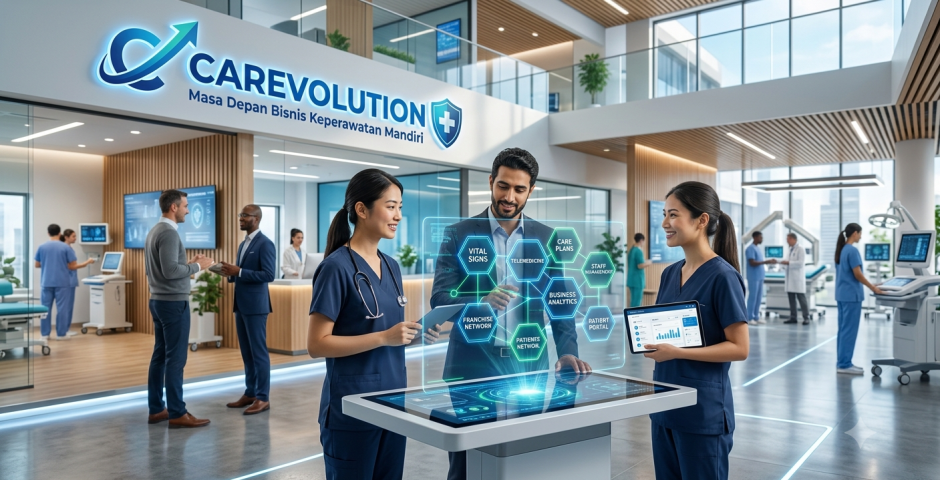
How Digitalization and AI Are Transforming the Landscape of Independent Nursing Practice
Independent nursing practice is entering a new era shaped by digital transformation and artificial intelligence (AI). As healthcare systems evolve, independent nurses are increasingly leveraging technology to deliver more efficient, accurate, and patient-centered care. From telehealth consultations and electronic health records to AI-assisted clinical documentation and predictive analytics, digital innovation is redefining how nursing services are provided.
In this article, we explore how digitalization and AI are transforming independent nursing practice, the benefits and challenges involved, and practical steps nurses can take to thrive in the digital healthcare landscape.
The Rise of Digital Healthcare
Healthcare digitalization refers to the integration of digital technologies into healthcare services, enabling providers to improve patient care, streamline operations, and enhance communication.
Key technologies driving this transformation include:
- Electronic Health Records (EHR)
- Telemedicine and virtual consultations
- Mobile health (mHealth) applications
- Wearable health monitoring devices
- Artificial Intelligence (AI)
- Cloud-based healthcare systems
According to the World Health Organization (WHO) Digital Health resources, digital health has become an essential component of strengthening healthcare systems worldwide.
How AI Is Revolutionizing Independent Nursing Practice
Artificial intelligence is no longer a futuristic concept. It is already supporting nurses in various aspects of patient care and clinical decision-making.
1. Smarter Clinical Documentation
Documentation consumes a significant portion of a nurse’s working hours. AI-powered documentation tools can:
- Automatically summarize patient interactions
- Reduce repetitive data entry
- Improve documentation accuracy
- Save valuable clinical time
This allows independent nurses to spend more time focusing on patient care rather than administrative tasks.
2. Improved Clinical Decision Support
AI-powered decision support systems analyze patient data and provide evidence-based recommendations.
Benefits include:
- Early identification of patient deterioration
- Medication safety alerts
- Risk prediction for chronic diseases
- Clinical guideline recommendations
These tools support—not replace—the professional judgment of nurses.
3. Personalized Patient Care
Machine learning algorithms can analyze large volumes of health data to create personalized care plans based on:
- Medical history
- Lifestyle factors
- Vital signs
- Medication adherence
- Risk profiles
Personalized care often leads to better patient engagement and improved health outcomes.
Telehealth Expands Independent Nursing Services
Telehealth has become one of the most significant digital innovations in nursing.
Independent nurses can now provide:
- Virtual consultations
- Chronic disease monitoring
- Patient education
- Follow-up appointments
- Mental health support
- Home care coordination
The American Telemedicine Association highlights that telehealth improves access to healthcare, particularly for rural and underserved communities.
Benefits of Digitalization for Independent Nurses
Digital transformation offers numerous advantages.
Increased Efficiency
Digital systems automate repetitive tasks, reducing paperwork and improving workflow.
Better Patient Engagement
Patient portals, mobile applications, and secure messaging improve communication between nurses and patients.
Enhanced Clinical Accuracy
AI-powered systems reduce human error by providing real-time alerts and evidence-based recommendations.
Expanded Business Opportunities
Independent nurses can:
- Offer virtual care services
- Reach patients beyond geographic boundaries
- Create digital health education programs
- Develop subscription-based wellness services
Digitalization enables independent practices to become more scalable and sustainable.
AI in Remote Patient Monitoring
Wearable devices and connected medical equipment continuously collect patient data.
Examples include:
- Blood pressure monitors
- Blood glucose sensors
- Smartwatches
- Pulse oximeters
- ECG monitoring devices
AI analyzes this data to detect abnormal trends and notify healthcare providers before conditions worsen.
This proactive approach supports preventive care while reducing unnecessary hospital admissions.
Challenges Facing Independent Nursing Practices
Although digital transformation presents exciting opportunities, several challenges remain.
Data Privacy and Security
Protecting patient information is critical.
Independent nurses must comply with applicable privacy regulations in their jurisdiction and implement strong cybersecurity practices, including secure passwords, encrypted communication, and regular software updates.
Technology Adoption
Not every healthcare professional is comfortable with new technologies.
Continuous education and digital literacy training are essential for successful implementation.
Cost of Digital Infrastructure
Initial investments may include:
- Practice management software
- EHR systems
- Secure telehealth platforms
- AI-powered documentation tools
- Cybersecurity solutions
However, these investments often generate long-term efficiency gains.
Skills Independent Nurses Need in the AI Era
Success in digital healthcare requires more than clinical expertise.
Important skills include:
- Digital literacy
- Data interpretation
- Telehealth communication
- Cybersecurity awareness
- AI-assisted clinical workflow management
- Continuous professional development
Nurses who embrace lifelong learning will be better positioned for future opportunities.
Ethical Considerations of AI in Nursing
AI should always complement—not replace—human clinical judgment.
Key ethical principles include:
- Patient confidentiality
- Transparency
- Fairness
- Accountability
- Informed consent
- Human oversight
Healthcare professionals remain responsible for clinical decisions, even when AI tools are involved.
Future Trends in Independent Nursing Practice
Emerging technologies expected to shape the future include:
- Generative AI clinical assistants
- Voice-enabled documentation
- Predictive healthcare analytics
- Smart home healthcare systems
- AI-powered patient triage
- Robotics-assisted home care
As these innovations mature, independent nurses will play an increasingly important role in delivering technology-enabled, patient-centered healthcare.
Practical Tips for Independent Nurses
To stay competitive in the digital era:
- Adopt secure electronic health record systems.
- Learn to use AI-powered clinical documentation tools.
- Offer telehealth services where appropriate and permitted.
- Strengthen cybersecurity practices.
- Pursue continuing education in digital health and AI.
- Stay informed about evolving healthcare regulations and ethical guidance.